
Last Updated on August 13, 2025 by Steph
One of the most complicated aspects of planning our year-long trip around the world was determining where to go in Africa and how to plan it. After a lot of deliberation about budgets and timing, we ended up spending two weeks in Namibia, and it was time that I think about often. We visited 29 countries, and it rose to the top within minutes of being off the airplane when a warthog shuffled by. We wanted to share our two-week Namibia itinerary with readers to hopefully inspire someone to go out and have a similar experience.
This complete two-week itinerary for Namibia includes links to the accommodations we stayed at. We alternated between camping in a roof tent and staying at a few hotels (mainly for the showers). It was a perfect blend that allowed us to do it with a strict budget, but check so many bucket list experiences off. We scouted out some of the other lodging options and shared those here if camping doesn’t sound appealing to you. So let’s dive in.
Why Namibia?
When planning our first trip to Africa, we wanted to explore a country with wildlife encounters and unique landscapes. Namibia is located on the Atlantic Ocean, so you get a fascinating mix of deserts and coastlines. Etosha National Park is home to a diverse array of animals, so we knew that if we timed it right, we could spot quite a few.
Another factor that influenced our decision was the shortage of yellow fever vaccinations during our travel. You need this to visit some of the other countries (like Tanzania) that were high on our list. Not being able to get one helped us narrow down our options.
Finally, we loved the idea that this country is the second least densely populated country in the world (after Mongolia). It was hard to imagine what that would feel like, exploring without crowds and a steady flow of tourists. Turns out, it was absolutely perfect and I would repeat this exact trip over and over again.
So, let’s dive in, and I’ll share our Namibia Itinerary with you, along with links to the places we stayed and others we checked out while there.
A 2-Week Itinerary for Namibia

Day 1: Arrival in Windhoek
Windhoek is the largest city in Namibia and home to the international airport. The company we worked with arranged transportation from the airport, so we were able to find a sign with our names. The shuttle dropped us off at our hotel to get organized with our gear and our plans. We met with the person who put together our itinerary, and she answered all of our questions.
If you have the energy, consider going out to dinner in the city. We went to Cafe Zoo – La Marmite Royale. There was a lovely patio overlooking a city park where a wedding was happening.
Day 2: Private Game Reserve
I recommend booking at a private game reserve on your second night. You’ll be introduced to safaris in Namibia with a guide who is incredibly knowledgeable. This will better prepare you for your self-drive safaris in the days to come. Guides are packed with fascinating information about the Big Five, as well as the tiny creatures and the landscapes. Enjoy your first sundowner of the trip with strangers on your drive and dive right into the beauty alongside others.
Erindi is the reserve we visited because of its focus on ecotourism. They are currently undergoing renovations and will reopen in 2026 with even better facilities. The campground here was incredible, and we had little dikdiks running through our campsite during dinner. Here is the link to be notified when they are open for reservations again.

Day 3-5: Etosha National Park
Etosha National Park is located north of Windhoek and is one of the largest national parks in Africa. The wildlife here is abundant thanks to the giant salt pan within the park’s boundaries. 114 mammal species call this park home. Plus, it’s one of the most critical custodians of black rhinos in the world.
Our first night, we stayed on the east side of the park at a beautiful resort. There are watering holes at the resort, so you can watch for animals while eating your dinner.
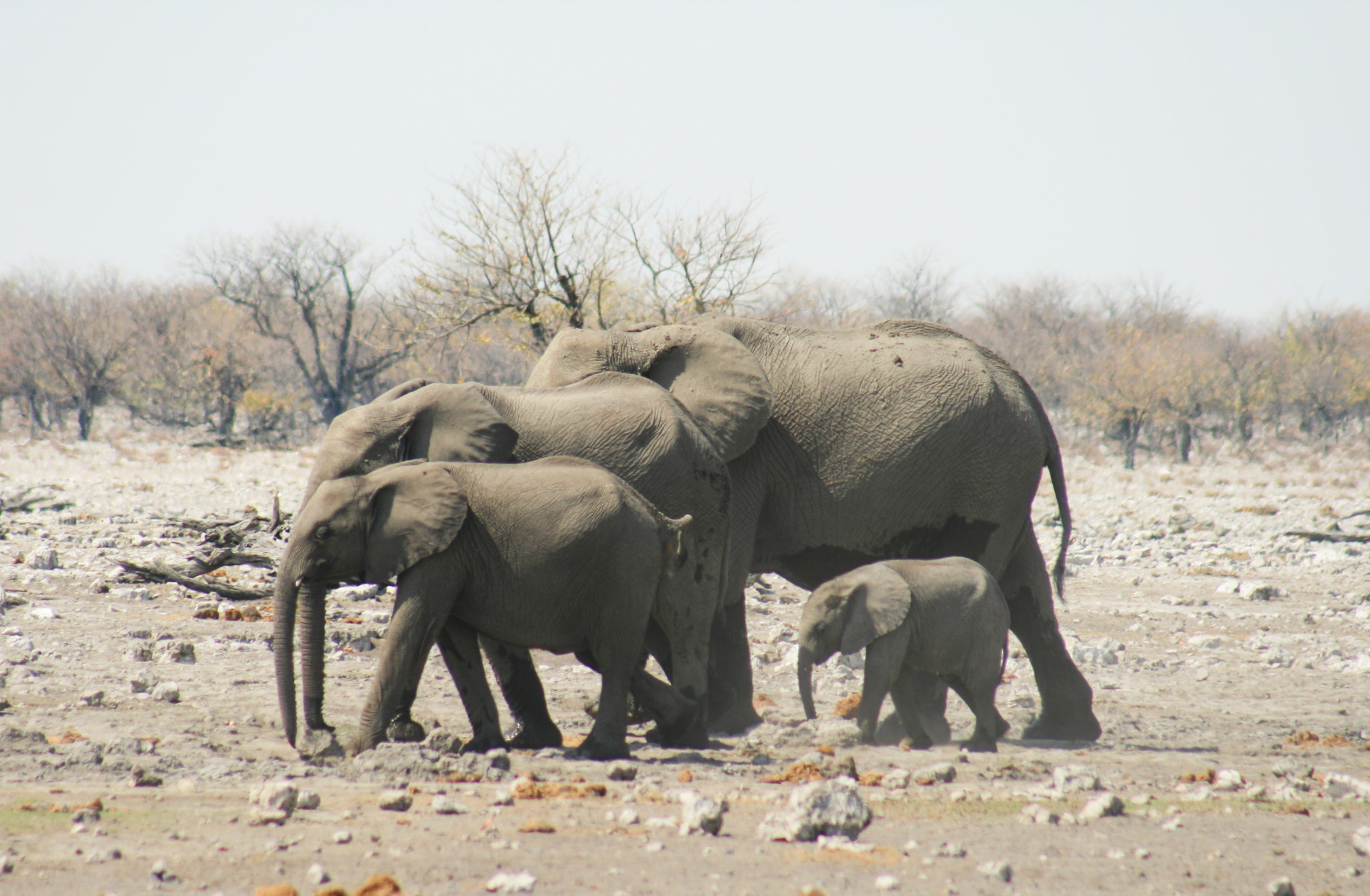
During the day, you drive into the park and pay the entrance fee. You are on your own to explore the dirt roads throughout the park and search for animals. We prepped lunches and giant jugs of water and set out to explore. We saw everything—lions, zebras, giraffes, and a rare rhino sighting. There was an elephant parade that caused a bit of a traffic jam. The highlight was probably seeing a few cars pulled to the side of the road and two women from Argentina pointing out cheetahs sleeping in the trees and letting us use their binoculars to get a better view.

There are public restrooms located in the park, but please note that passengers will need to exit and unlock a gate, then lock it behind them. This keeps it safe from animals, but it can be a scary few minutes where you are exposed.
The second two nights, we stayed on the south end of the park at a fun lodge that offered camping, rooms, and live music every night. We met many other travelers and swapped stories, exchanging tips for the remainder of our time in Namibia. A few others had very similar itineraries to ours, and we met up again later on the trip.

Day 6: Twyfelfontein
Leaving the Etosha region was hard for me. I was worried that our wildlife encounters were over, but there is so much to explore. The Twyfelfontein region is renowned for its rock drawings, which offer a glimpse into the lives of the people who have inhabited this region for thousands of years. We had an incredible guide who explained everything to us and shared stories and experiences from his own life growing up in the area.
The landscape here feels more desert-like, and we found a great camping location with an overlook that was perfect for sunset viewing. Elephants commonly walk through the area, and you will get incredibly clear night skies.

Day 7-8: Swakopmund and Skeleton Coast
In the middle of the trip, get yourself to the coast for a stunning change of scenery. Swakopmund was established by German colonists over a hundred years ago, so many of the buildings there will give off the vibes of Bavarian towns, like Munich. If you’ve been camping, this is a great place to swap for a hotel and enjoy a shower, as well as the opportunity to clean some of your belongings.

Try the restaurants along the water (our favorite is The Tug) and spend the days walking the markets and checking out the few small museums in town. You can also take day trips up the Skeleton Coast to see the Cape Cross Seal Colony or head south to Walvis Bay, where flamingos gather in large groups to feed.
Day 9-10: The Namib Desert
Heading back into the desert, you won’t want to miss the tiny stop at Solitaire. The bakery there is known for its apple pie, and you can grab a few snacks for the road. In the last few years, more resorts and glamping destinations have popped up in this region, so you have some options. My suggestion would be to find a remote location so you can enjoy the otherworldly backdrop of the dunes and the incredibly clear starry skies at night without interference.
Check the weather and winds before heading into the national park. Visiting Deadvlei requires a 4×4 vehicle, but a shuttle service is available for other cars, allowing you to ride along. On our day trip, we were hit with a sandstorm, making it impossible to reach the famous trees. Even though we missed the famous photo destination, we were still able to climb dunes and catch a sunrise with Oryx dotting the horizon. You won’t see landscapes like these in the Namib Desert anywhere else in the world.

Day 11-13: Southern Namibia
There’s another coastal town in the southern part of the country called Luderitz, which has a similar German vibe to Swakopmund, but it’s a bit smaller. There are some ghost towns that visitors can explore as well.
Fish River Canyon is an incredibly popular destination on any Namibia itinerary. It’s the largest canyon in Africa and a popular place for hiking. Permits are required, and we weren’t able to do this hike because we visited the country the week after the permit window closed. It will be our first stop if we manage to return to Namibia.
Day 14: Return to Windhoek
From the Fish River Canyon area, you’ll have a long drive day to return to Windhoek, so plan for a full day. It’s also definitely possible to continue south to South Africa from here, as the border is only two hours from the canyon.
We chose to spend one more night in Windhoek so we didn’t need to rush to return our vehicle and reorganize all our belongings.

Travel Information about Namibia
If you’re ready to start planning and booking your trip, start with flights and transportation. Once you have confirmed your dates, you can begin booking your lodging and activities.
Flying to Namibia
Windhoek is still a relatively small airport where you will board and deplane outside. Direct flights are available from other African cities, especially Cape Town and Johannesburg. We were also able to book a direct flight from Windhoek to Frankfurt, so be sure to check options from Germany as well.
Self-Driving was Easy
Many countries in Africa can be challenging to navigate by car on your own. Namibia has some rugged roads, but it was easy to find our way around, and the paper map we had was accurate and straightforward to follow. If you are planning your first trip to Africa, you should not be intimidated to do a self-driving adventure in Namibia.
Consult the Experts
If planning and organizing are overwhelming for you, consider working with a professional. We worked with SafariFrank and had a great experience. When we planned our trip, we couldn’t find itineraries online with detailed information. It was important for us to support the local community and stay at places that focused on conservation. As more people explore Namibia, additional information will become available online. If you feel overwhelmed by options or you’re struggling to find the right spots, don’t hesitate to reach out to those who are experts.
Final thoughts on our namibia itinerary
I wish we could’ve spent months in Namibia and taken it slow while there. We could’ve easily stretched out this Namibia itinerary to last five times as long in each spot. Sleeping in a roof tent in Namibia was one of the most rugged experiences we had, but it was surprisingly comfortable and the experience was unforgettable. We also dream of adding the Okavango Delta to our next Namibia itinerary and maybe spend some time in Botswana.
Let us know if you have any questions about our trip. Pin these for later:


Leave a Reply