
Last Updated on August 13, 2025 by Steph
Planning a trip to Namibia was not the easiest experience, but the country ended up being one of our absolute favorites. It’s a magical, quiet, and otherworldly destination. We learned a few things during our visit and wanted to share them with anyone interested in visiting. So let’s dive into the things to know before you go to Namibia.

Important Things to Know Before You Go to Namibia
This list isn’t the standard things you can read on the front page of a Google search. It’s good to know that the official language is English and the population is 2.5 million. But sometimes it’s nice to have some intel on what surprised others about a place. That’s how we came up with our list of things to know before you go to Namibia. It’s the advice we’d share with friends, so we wanted to pass it along to you.
1. Driving on the Left Side of the Road
Like many of its neighboring countries, Namibia’s roads require drivers to drive on the left side of the road. It’s a relatively easy adjustment, but if you’ve never done it before, it’s good to prepare yourself ahead of time. Our rental truck was a manual, too, so shifting and using the clutch was an extra learning experience.
2. Fill Up Everywhere
Outside of the capital city of Windhoek, it can be hard to find gas stations. I suggest filling up every time you see a spot or, at the very least, plot out spots on your map. We didn’t see many with 24-hour pumps like you can find every few miles in the USA, so better safe than sorry.
3. Spare Tires are Necessary
The roads are rough. Most of the travelers we met had experienced some sort of tire issues while exploring. Our rental truck came with two spare tires, and we were extremely fortunate that we never had any problems; however, we were prepared in case they were needed. If you end up needing your spare, consider getting the original tire repaired. You don’t want to be stranded.

4. Beware of Offers to Guard Your Car
The rental car company gave us a heads-up about armed guards at some of the main shopping areas in the city. It can be a bit surprising if you aren’t ready for it. The stores that had hired guards were better than some of the other spots, where we would be approached by strangers offering to guard the car for a price. Most of the hired guards wear a uniform, so it’s easy to tell who is legit. We just went with our gut on what felt good. It never felt dangerous, but I appreciated the heads up to know what to expect.
5. Sparsely Populated is an Understatement
Namibia is one of the least densely populated countries in the world (second only to Mongolia). You will travel long stretches where you might not see another human being. It’s one of the things that makes it a magical place, but it’s essential to have the necessary items with you, including extra water, snacks, and any other critical gear.
6. Do Not Assist Poachers
Poaching is a serious issue worldwide. Many of the animals that you have the opportunity to see on your trip are in danger. Don’t share photos of anything on social media with a specific geotag location. Follow all posted signs, and if you see something that seems suspicious, report it to the park or reserve employees.
7. Self-Drive Safaris are Unforgettable
We loved riding along with a guide and hearing all the cool facts about animals, but driving yourself around the parks was a wild experience. When you’re looking for animals without an expert, you notice each and every small movement in the landscape around you. The excitement builds, and when you spot something, the celebration feels incredible.

8. Dry Season is Best
When traveling with the intention of seeing animals, research the local seasons. In Namibia, the dry season is best because the animals gather around watering holes, making them easier to find. We visited in mid-September, which was towards the end of the dry season. Usually, it lasts from May until October.
9. Pack Binoculars
I’m sharing this lesson I learned because we didn’t bring binoculars. We met a pair of Argentinians who let us use theirs to spot some cheetahs sleeping in a tree; otherwise, we would not have been able to see them. We had a good zoom lens on the camera, but I would recommend bringing binoculars along for the adventure.
10. Sand is Unavoidable
Everything we bought with us was covered in sand. It’s impossible to keep your clothes and shoes sand-free. We spent a few weeks in Germany finding more and more minuscule orange souvenirs in our socks and shoes. It wasn’t a huge deal, but it’s good to be prepared for this.
11. Pack Layers
Whether you’re camping or staying in hotels each night, you’ll still want layers for your excursions. When the sun goes down, the temperature can drop pretty fast. It was also much cooler by the ocean with a strong breeze coming onshore. Keep a sweatshirt or fleece with you, and you’ll be comfortable. It’s also nice to have a long-sleeved shirt and hat when you need a break from the sunshine on your skin.
12. German Influence is Still Everywhere
Namibia was formerly a German colony known as German South West Africa. Germany relinquished control in 1915 to South Africa during World War I. There are still so many Germans living in the area, and many of the towns have architecture and influence that remind you of the German influences.
Because of the connection, Frankfurt was the one place in Europe that had a direct flight to Windhoek. Many of the other travelers we met were from Germany, and it was common to hear people speaking German.

13. Tip Often
Our experiences with the guides and servers everywhere we went were top-notch. We didn’t meet many Americans, so many people were curious, and we had some incredible experiences. The standard is about 10%, but I would encourage you to leave more if you have excellent service. We tipped daily for our safari guides and the people working at the reserves, and tried to leave a tip of around 20% for our meals.
14. Plan Your Trip Ahead of Time
Many of our travels are planned on the go, but I would advise against this when traveling to Namibia. The country has a much smaller population, and things are more spread out. You aren’t going to find
15. Embrace the Sundowners
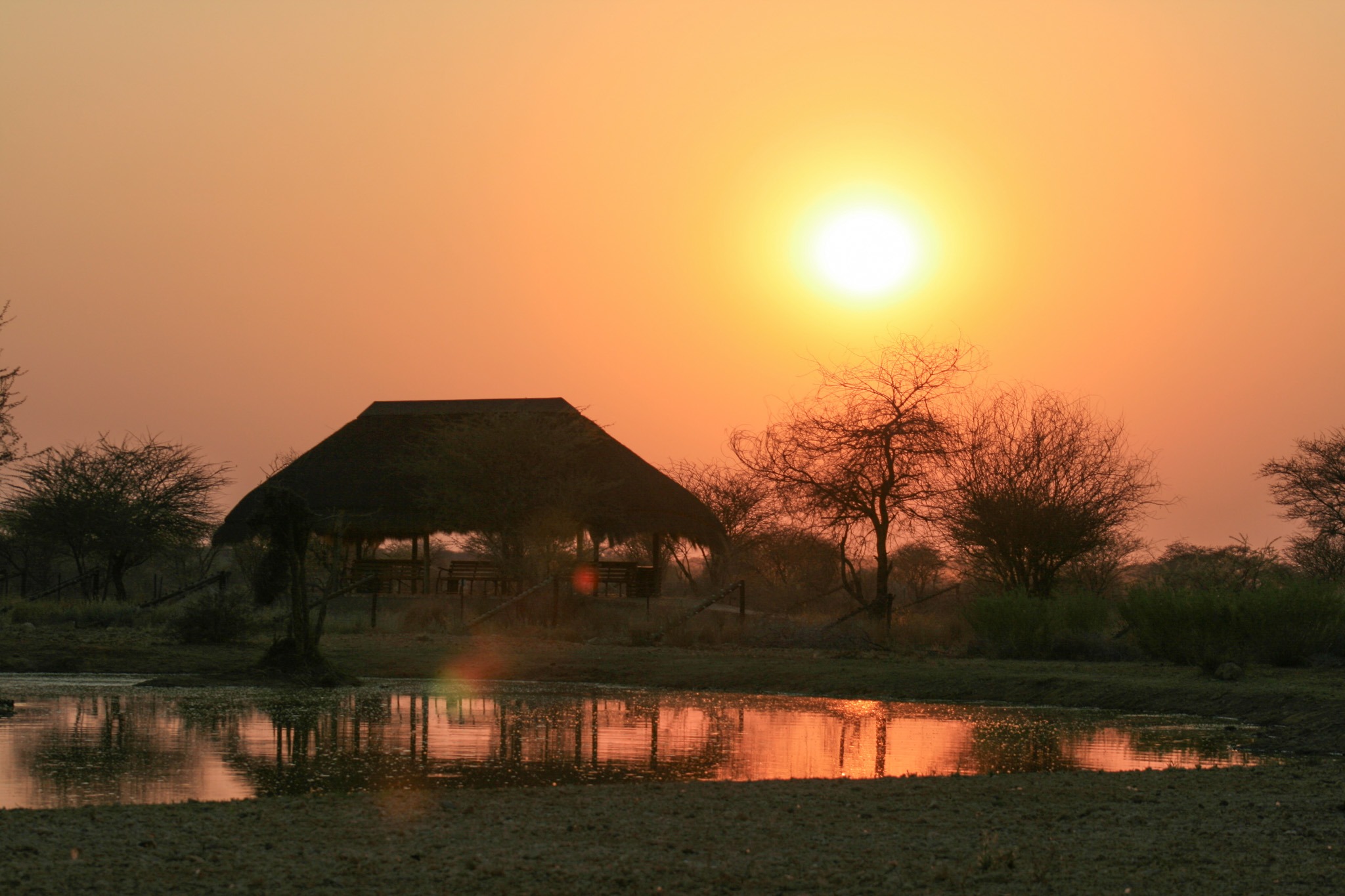
One of my favorite daily rituals on safari trips is the sundowner. I hate that it’s a tradition from the days of British colonial rule over South Africa, but today, it’s a beautiful transition from day to evening. Gin and tonics were consumed because the tonic waters helped keep people from getting malaria. Today, the drinks vary based on what the safari guides have stocked, but it’s a beautiful moment to watch the sun set with a few others and appreciate the setting.

16. Get Your Visa Ahead of Time
Starting in April 2025, Namibia will require U.S. tourists to obtain a visa before entering the country. Once you’ve locked in your dates, go online and apply to avoid any issues with this process. Visit the US Embassy website for more information and to initiate the process.
If you are visiting from another country, check with your embassy on visa requirements, as they vary. Understanding visas and entry requirements are the most important things to know before you go to Namibia so there are no issues at the airport.
planning a trip to namibia?
Be sure to check out our full 2-week itinerary for more information on exactly where we went and how we navigated the country. We’ve also published more in depth information on specific locations with a large collection of photos, so get some inspiration. Drop any questions on things you want to know before going to Namibia below, and we will get back to you quickly.
Pin this to save the things to know before you go to Namibia for later:

Leave a Reply